


Lost carts, missed order emails, failed COD confirmations, broken recovery links and a chaotic shared inbox all create avoidable revenue and support costs. Shopify WhatsApp integration connects commerce events with a conversational channel, but only when consent, templates, webhooks and routing are designed together.
How to connect WhatsApp to Shopify
Connect a WhatsApp Business Account through Shopify functionality, a Shopify WhatsApp app or a BSP/platform; configure explicit opt-in, approved templates, Shopify events/webhooks and a shared inbox; then test order, recovery and support journeys end to end.
Does Shopify have WhatsApp integration?
Yes. Shopify documents WhatsApp functionality through Shopify Messaging and lists Meta’s WhatsApp app for order updates. Basic workflows may be enough for notifications; advanced abandoned-cart, segmentation, AI and multi-agent journeys usually need a dedicated platform.
WhatsApp Business API vs WhatsApp Business App for stores
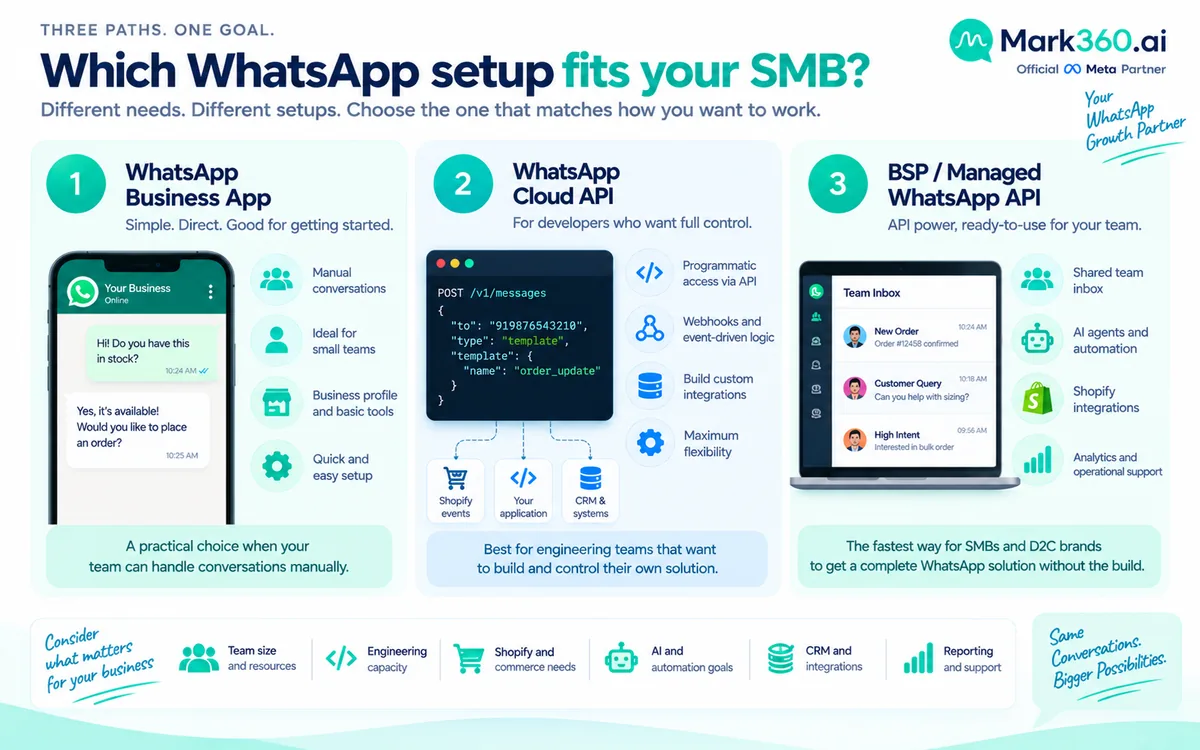
The Business app is mainly for manual conversations. The WhatsApp Business Platform/API is the programmatic layer for event-driven Shopify automation, approved templates and connected inboxes.
Setup: from Shopify event to WhatsApp message
- Define journeys: order created, paid, fulfilled, cancelled, abandoned checkout and inbound reply.
- Choose Shopify functionality, app or BSP based on event coverage, consent, templates, retries, analytics and ownership.
- Prepare Meta Business, WhatsApp Business Account, phone number and consistent legal business details.
- Configure a separate, clear WhatsApp opt-in; a phone number alone is not consent.
- Create templates for operational updates and marketing/recovery separately, then submit for approval.
- Subscribe to only the required webhook topics, verify authenticity, deduplicate events and process asynchronously.
Architecture diagram
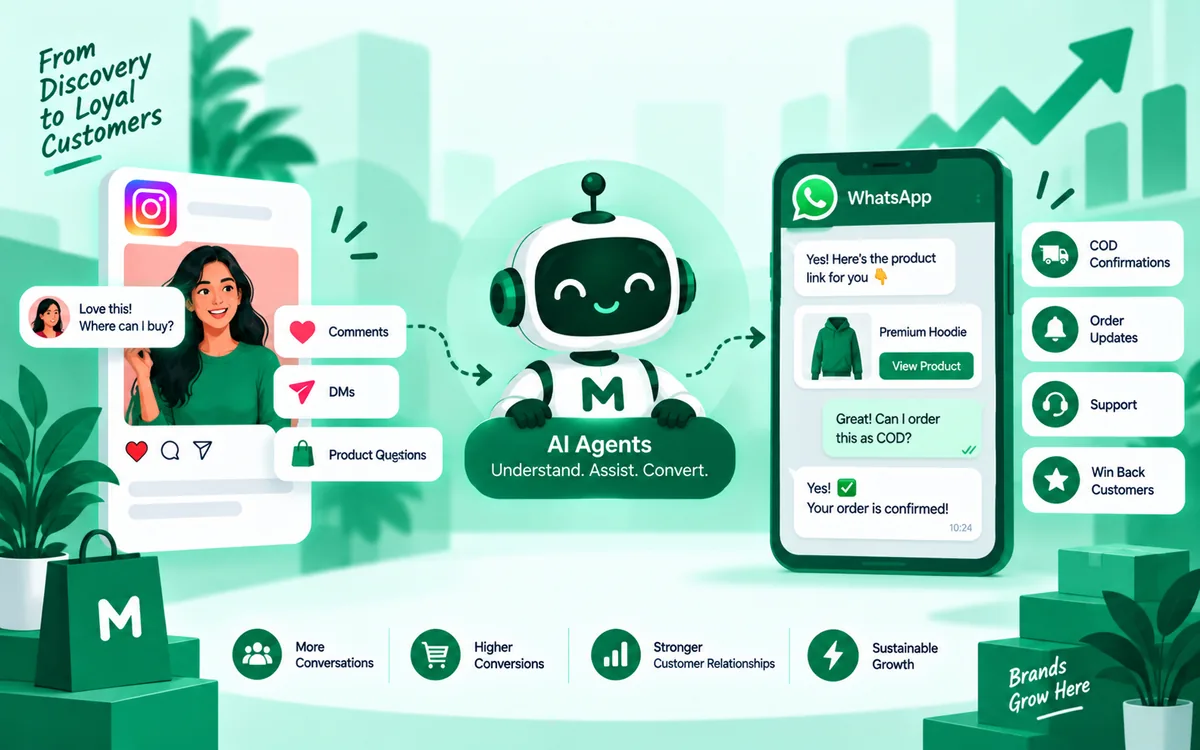
Shopify Store → Admin API/Webhooks → Integration/BSP → Consent & Eligibility Engine → Automation Rules → WhatsApp Business Platform → Customer. Add a return path from Customer → Shared Inbox/Agent → Shopify, plus logging and analytics.
Checkout → WhatsApp consent flow
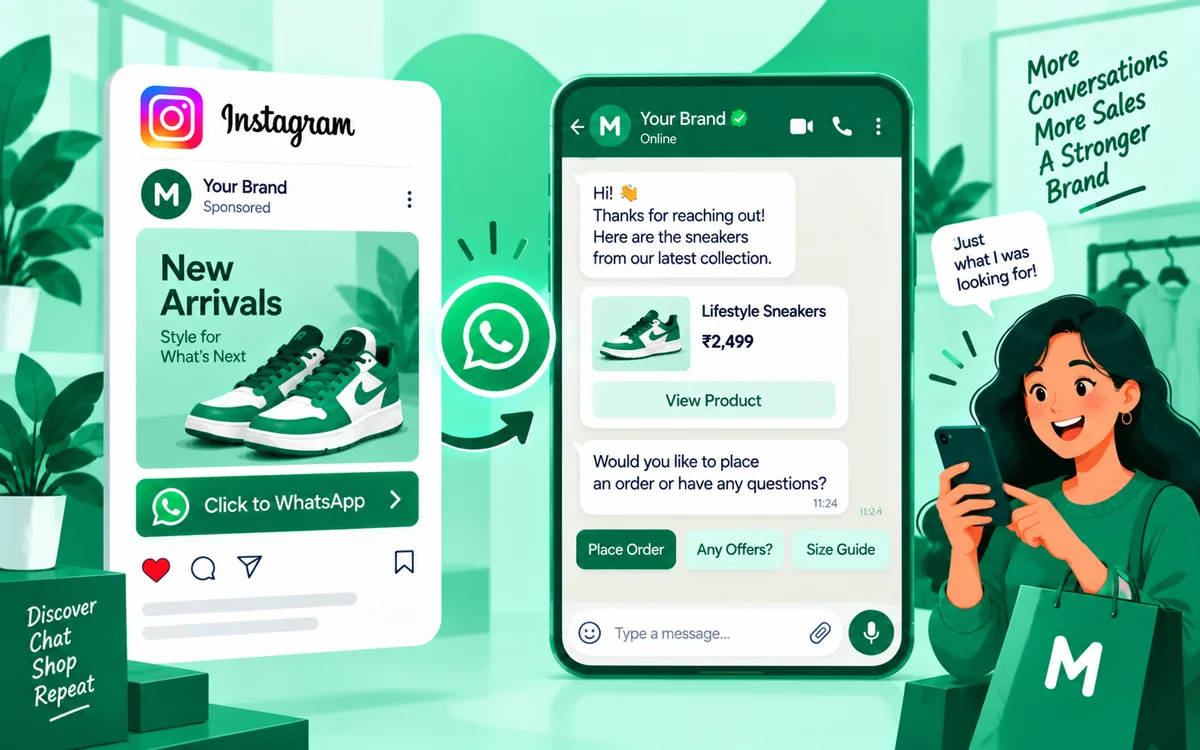
Cart → Checkout → Phone number → explicit non-preselected WhatsApp consent → consent record → eligibility check → approved template → message → reply or tracked checkout link. Never infer marketing permission from phone collection alone.
Webhook map
orders/create → confirmation; orders/paid → payment update; orders/fulfilled → tracking; orders/cancelled → cancellation; inbound WhatsApp → router → bot or agent. Use idempotency keys because delivery order is not guaranteed.
How to send Shopify order updates on WhatsApp
Use the pattern Shopify event → current data lookup → consent check → approved template → WhatsApp send → delivery correlation. Validate tracking and checkout URLs before sending, and stop journeys after conversion or opt-out.
Abandoned-cart recovery that works
Check eligibility, wait for a defined delay, confirm no order exists, generate a valid recovery link, send the approved template, then stop after purchase. Measure recovered revenue, not just delivery or reads.
Security, testing and troubleshooting
- Use HTTPS, webhook verification, least-privilege scopes and server-side credentials.
- Test opted-in/out customers, international numbers, duplicate events, retries, mobile links, template variables and agent handoff.
- For failed sends, inspect account, number, template, consent and delivery response.
- For duplicate messages, inspect webhook IDs and idempotency.
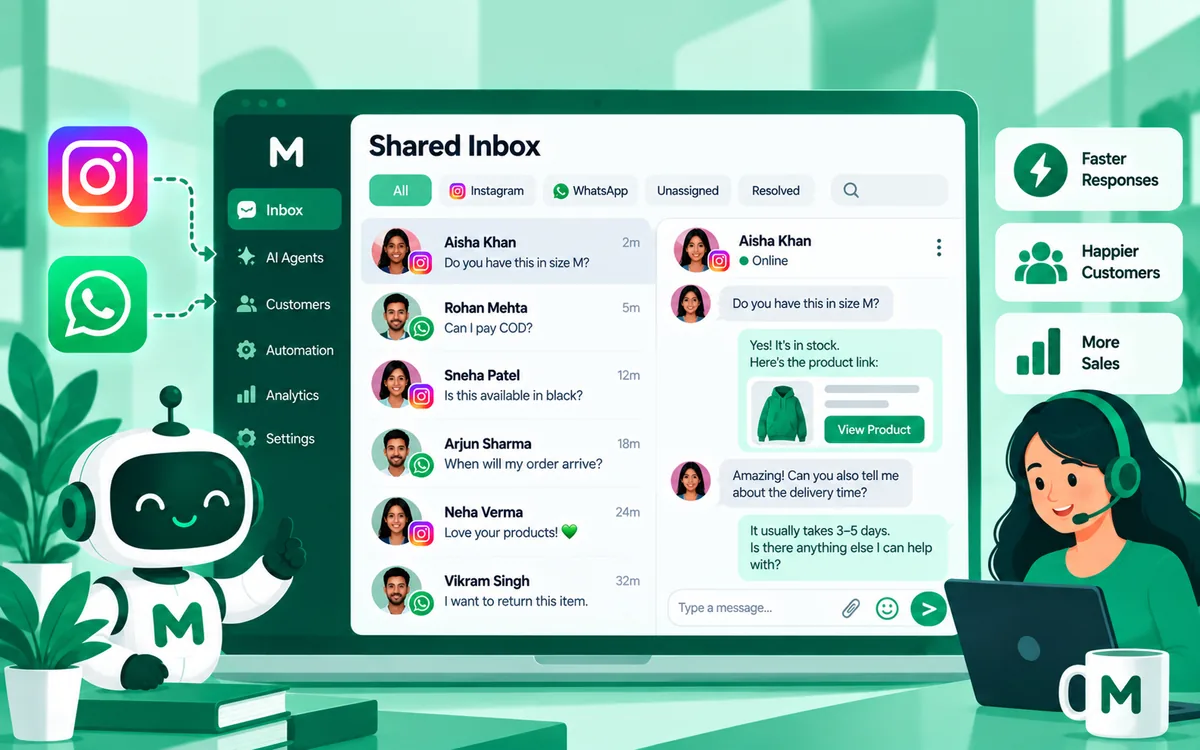
- For inbox chaos, add assignment, tags, history, escalation and suppression handling.
Where Mark360.ai fits
Mark360.ai can serve as the conversational automation layer between Shopify and WhatsApp for merchants that need journeys, templates, recovery, routing and analytics in one workflow. Start small, prove consent and attribution, then scale.