

Seeing “This phone number can't use WhatsApp” can stop sales, support, and customer conversations in one shot. If your WhatsApp Business account is banned, the right response isn't to keep retrying messages or immediately move the number to another setup.
First identify whether you're dealing with a temporary restriction, a business broadcast suspension, or a full account ban. Then review the activity that may have triggered the enforcement, submit the official review when available, and fix the underlying messaging workflow before you resume sending.
Why was my WhatsApp Business number banned?
A WhatsApp Business number can be banned when WhatsApp believes the account activity violates its Terms of Service or Business Messaging Policy. Common risk areas include spam, scams, unauthorized bulk or automated messaging, poor-quality messaging that results in repeated blocks or reports, prohibited products or services, misleading business information, and other policy violations.
WhatsApp also states that businesses may be restricted or lose access when they receive excessive negative feedback, harm users or WhatsApp, or repeatedly violate applicable terms and policies.

Sending messages without proper opt-in
One of the biggest risks is contacting people who didn't give your business permission to message them on WhatsApp. WhatsApp's Business Messaging Policy says businesses should only contact people when they have their phone number and the required opt-in permission to receive subsequent messages.
Your opt-in flow should also make it clear that the customer is agreeing to receive messages from your business on WhatsApp. If customers don't expect your messages, they're more likely to block or report the business.
Spam, bulk messaging, or unwanted automation
Automation itself isn't the problem. The problem is using automation to send unwanted or unauthorized messages.
WhatsApp specifically warns that accounts engaging in spam, automated, or bulk messaging can be restricted or banned. A workflow that sends the same promotional message to a large audience without the right consent can therefore create account risk.
Too many users blocking or reporting your business
Customer feedback matters. WhatsApp says people can block or report businesses, and its systems can restrict businesses when messaging quality remains low for a period of time.
This is why a campaign can create problems even when the message itself doesn't contain an obvious policy violation. If customers repeatedly receive messages they didn't expect, your account's quality can deteriorate.
Prohibited products or services
WhatsApp Business has restrictions around certain products and services. Businesses using WhatsApp Commerce features can also be affected by Meta Commerce Policy restrictions.
Before launching a new campaign, check the current WhatsApp Business Messaging Policy and applicable Commerce Policy rather than assuming that a product you can sell elsewhere can automatically be promoted through WhatsApp.
Misleading business information or impersonation
Your WhatsApp Business profile should accurately represent your business. WhatsApp prohibits using its Business Services to impersonate another business or mislead customers about your business, affiliation, or activities.
Using another company's name, branding, or identity in a way that creates confusion can put the account at risk.
WhatsApp Business restricted vs banned: what's the difference?

A restriction and a ban aren't the same thing. A restriction can temporarily limit what your account can do, while a ban can prevent the phone number from using WhatsApp altogether.
WhatsApp's Help Center says restricted accounts may be temporarily prevented from starting chats or calls with new contacts, creating groups, adding members, or using linked devices. The restriction can end automatically after the allocated period.
A banned account displays a message such as “This phone number can't use WhatsApp.” When a review option is available, you can submit the number for review directly from WhatsApp.
Temporary restriction
If WhatsApp says your account is restricted, check the restriction message and wait for the stated restriction period. Don't respond by increasing automated or bulk activity. Repeated restrictions can lead to longer suspensions and potentially a ban.
Full account ban
If the app says your number can't use WhatsApp, check whether Request review is available. WhatsApp says most reviews are completed within 24 hours, although the final decision depends on its review.
What should you do if WhatsApp Business banned your number?

If your WhatsApp Business number has been banned, use WhatsApp's official review process first. At the same time, audit the messaging activity that may have triggered the ban so you don't repeat the same problem if the account is restored.
Step 1: Check the exact message in WhatsApp
Open WhatsApp Business and read the account status message carefully. A restriction, temporary suspension, and full ban can require different actions.
Don't assume that every login problem means the number has been permanently banned.
Step 2: Use Request Review when available
If the app shows Request review, submit the review from the affected account. Keep the explanation factual and concise.
Explain what your business does, how customers opt in to receive WhatsApp messages, what type of messages you send, and why you believe the enforcement may have been incorrect if that is the case.
WhatsApp says contacting the company outside the review process or through another user's account won't expedite the review or change the decision.
Step 3: Don't create another account to bypass the ban
Creating another number and immediately repeating the same messaging behavior doesn't solve the underlying problem. If the original workflow involved unauthorized messaging, bulk activity, misleading information, or another policy violation, the replacement account can face the same issue.
Step 4: Audit your opt-in records
Check where your WhatsApp contacts came from and what they agreed to receive.
Your audit should answer simple questions:
- Did the customer provide their phone number?
- Did the customer clearly agree to receive WhatsApp messages?
- Was your business name identified during opt-in?
- Did the customer understand what type of messages they would receive?
- Can you remove customers who opted out?
Step 5: Review your message content
Look at the messages sent before the restriction or ban. Identify promotional messages, repeated reminders, bulk campaigns, links, product offers, and automated replies.
Ask whether each message was expected by the recipient and whether the message matched the consent they provided.
Step 6: Review your automation
If you're using a WhatsApp automation platform, inspect the triggers and audience rules. The platform can help execute your workflow, but it doesn't override WhatsApp's policies.
Check for loops, repeated sends, missing opt-outs, aggressive follow-ups, accidental broadcasts, and workflows that message customers who never opted in.
Step 7: Wait for the official decision
Once you've submitted the review, avoid repeatedly submitting requests through different accounts or channels. WhatsApp states that contacting it outside the review process won't expedite the decision.
How to write a WhatsApp Business ban appeal

A good WhatsApp ban appeal should be short, factual, and specific. Don't send an emotional explanation or a long marketing pitch.
A useful structure is:
- Identify the business: state the business name and phone number.
- Explain the use case: describe what you use WhatsApp for.
- Explain consent: describe how customers opt in.
- Explain the issue: state why you believe the account may have been flagged incorrectly, if applicable.
- Confirm corrective action: mention any workflow or messaging changes you've already made.
- Request review: ask WhatsApp to review the account.
For example:
Hello WhatsApp Support, our business uses this number for customer support and opted-in customer communication. We believe the account may have been restricted incorrectly. We have reviewed our messaging and opt-in process and have removed workflows that could result in unwanted messages. Please review the account and let us know if additional information is required.
Only include statements that are true for your business. Don't claim that you have customer opt-in if you don't have it.
Why does WhatsApp ban business numbers?

WhatsApp's enforcement system is designed to protect users from spam, scams, unsafe activity, and poor-quality business messaging. The company can use automated technology and human reviewers to detect and review potential violations.
The important takeaway for businesses is that account health isn't only about the text of an individual message. Your opt-in process, recipient feedback, messaging behavior, business profile, products or services, and automation patterns can all matter.

How to prevent WhatsApp Business from getting banned again
The best solution to a WhatsApp ban is prevention. Build your WhatsApp workflow around consent, expected messages, controlled automation, and an easy way for customers to stop receiving messages.
Use a clear WhatsApp opt-in
Your opt-in should clearly identify your business and tell customers they are agreeing to receive messages through WhatsApp. If you're collecting consent for different message categories, make those expectations clear.
Match messages to the consent
If a customer agreed to receive order updates, don't assume that means they also agreed to receive every promotional campaign you want to send.
Keep your marketing, transactional, and support communication rules clear in your data and automation setup.
Give customers an easy opt-out
Respect customers who ask you to stop messaging them. Keeping people in campaigns after they have asked to opt out creates unnecessary complaints and account risk.
Don't use unofficial WhatsApp tools
Use supported WhatsApp Business products and integrations. Avoid tools that simulate WhatsApp Web activity, automate the consumer application in unsupported ways, or promise to bypass WhatsApp restrictions.
A shortcut that increases sending capacity isn't useful if it puts the business number at risk.
Control automation frequency
Your automation should have frequency controls and clear business logic. Avoid workflows that can trigger multiple messages for the same event or repeatedly contact the same customer.
Monitor blocks, reports, and replies
Don't measure a WhatsApp campaign only by messages sent. Monitor customer responses and negative feedback as well.
If a campaign generates unusual blocking, reporting, or opt-outs, pause it and investigate before sending more messages.
Keep your business profile accurate
Use accurate business information, contact details, website information, and branding. Don't make customers guess who is contacting them.
Can WhatsApp automation cause a business number to be banned?
Automation by itself does not mean your number will be banned. The risk comes from how the automation is used.
WhatsApp explicitly says accounts engaging in spam, automated, or bulk messaging can be restricted or banned. So an automation workflow should be built around valid opt-in, relevant messages, controlled frequency, and clear customer expectations.
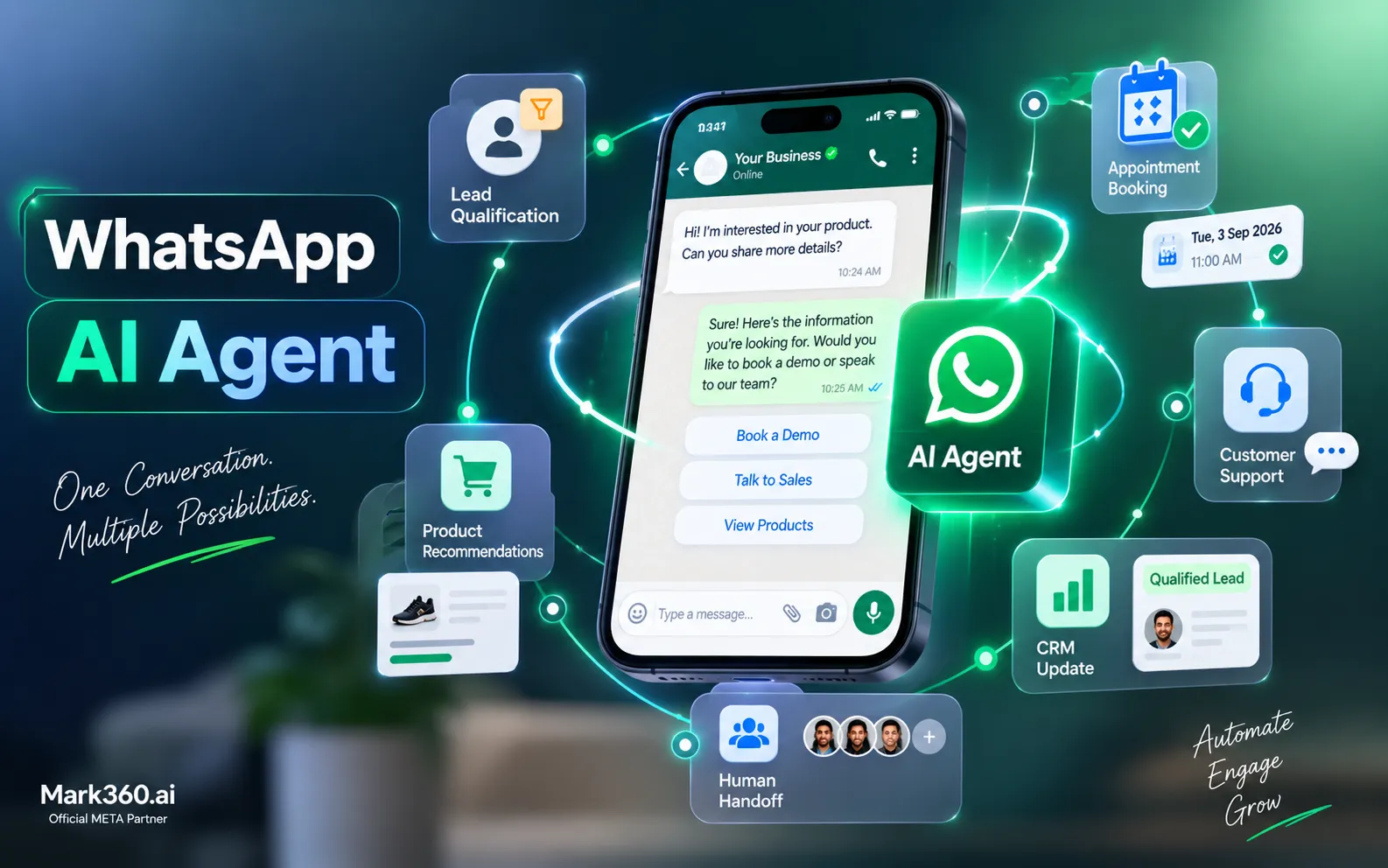
A well-designed automation can handle customer support, order updates, lead qualification, appointment requests, and other workflows without turning every conversation into a bulk messaging campaign.
Can a WhatsApp Business API number get banned?
Yes. Using the WhatsApp Business Platform does not exempt a business from WhatsApp's Business Messaging Policy. The policy applies to WhatsApp Business Services, including the WhatsApp Business App and WhatsApp Business Platform.
The same principle applies to third-party platforms connected to WhatsApp. Your provider can help manage your messaging workflow, but WhatsApp controls enforcement of the WhatsApp account and its policies.
What happens after a WhatsApp Business account is unbanned?
Don't immediately restart every campaign that was running before the ban. First review what caused the problem and fix the workflow.
A safer restart looks like this:
- Confirm the account is accessible again.
- Review the messaging workflows that were active before the ban.
- Verify opt-in records.
- Remove inactive or opted-out contacts from messaging audiences.
- Review templates and campaign content.
- Check automation frequency and duplicate triggers.
- Restart with controlled traffic.
- Monitor customer feedback closely.
WhatsApp Business banned number: common mistakes to avoid
When a business loses access to WhatsApp, panic usually leads to the wrong fixes. Avoid these common mistakes.
Repeatedly submitting appeals
If you've already submitted the official review, repeatedly contacting WhatsApp through unrelated accounts or channels won't speed up the process.
Buying another number immediately
A new number doesn't fix a broken opt-in or automation process. Fix the workflow first.
Sending more messages after a restriction
If WhatsApp has restricted the account because of suspected spam or automated activity, increasing message volume is the opposite of what you want.
Blaming the automation provider
A WhatsApp automation platform can be part of your workflow, but WhatsApp's policies still apply to the business and its messaging activity. Review the actual trigger, audience, consent, content, and sending behavior.
Assuming every customer is opted in
A phone number in your CRM isn't automatically proof of WhatsApp opt-in. Your consent records should show what the customer agreed to receive.
How Mark360 can help reduce WhatsApp account risk
Mark360 is built for businesses that need WhatsApp automation without turning customer conversations into uncontrolled bulk messaging.
The right setup starts with your messaging rules: who can enter a workflow, what triggered the message, what the customer opted in to receive, and when automation should stop.
For AI-led workflows, keep the agent focused on customer conversations and defined business actions. For campaigns and notifications, use approved WhatsApp messaging flows and maintain clear audience and consent rules.
The goal isn't to send more WhatsApp messages. It's to send the right message to the right customer for the right business reason.
Frequently asked questions
Why was my WhatsApp Business number banned?
Your number may be banned if WhatsApp believes the account activity violates its Terms of Service or Business Messaging Policy. Common risk areas include spam, scams, unauthorized automated or bulk messaging, excessive negative feedback, prohibited products or services, and misleading business activity.
How do I recover a banned WhatsApp Business number?
Open WhatsApp Business and use Request review if the option is available. Explain your business use case and review your opt-in and messaging practices before submitting the appeal. WhatsApp says most reviews are completed within 24 hours.
Can I appeal a WhatsApp Business ban?
Yes, if WhatsApp provides a Request review option for the banned number. If that option isn't available, WhatsApp says the ban is final and can't be appealed through the in-app review process.
Can WhatsApp automation get my number banned?
Automation itself isn't automatically a violation. However, WhatsApp says accounts engaging in spam, automated, or bulk messaging can be restricted or banned. Automation should therefore use valid opt-in, relevant messaging, controlled frequency, and clear opt-out handling.
Can a third-party WhatsApp provider remove my ban?
No. WhatsApp states that third-party services can't ban or unban a WhatsApp Business account. If your account is banned, use WhatsApp's official review process.
How can I prevent my WhatsApp Business number from being banned?
Use clear customer opt-in, send messages that match what customers agreed to receive, respect opt-outs, avoid spam and unauthorized bulk messaging, use supported WhatsApp products, keep business information accurate, and monitor customer feedback and messaging quality.
Fix the workflow, not just the number
A WhatsApp Business ban is usually a symptom worth investigating. Recovering the number matters, but preventing the same problem from happening again matters more.
Start by checking consent, message relevance, automation frequency, customer feedback, business profile information, and the products or services you're promoting. Then rebuild the risky part of the workflow before you scale messaging again.
For businesses using Mark360, that means treating WhatsApp automation as an operating system for customer conversations—not as a way to send as many messages as possible. Controlled audiences, clear triggers, relevant communication, and human support when needed are the foundation for a healthier WhatsApp channel.
Explore Mark360 WhatsApp automation and build your messaging workflows around customer consent and business rules.